Braces
Braces in Broomfield, CO
Precise, personalized treatment for a healthier smile
Written by Dr. Irina Sharp, board-certified orthodontist. Last reviewed September 2026.
Braces are a dependable, highly adaptable way to straighten teeth and improve how the upper and lower teeth fit together. Because they are fixed to the teeth, they work continuously and give the orthodontist detailed control over individual tooth movement.
At Sharp Smiles Orthodontics, braces are never a one-size-fits-all treatment. Dr. Irina Sharp evaluates the alignment of the teeth, the bite, supporting bone and gum health, facial balance, growth when relevant, and each patient's priorities before recommending an approach.
Whether treatment is for a child, teenager, or adult, we explain what we see, which changes we recommend, and what daily life with braces will involve. Our goal is a treatment plan that is clinically sound, understandable, and realistic.
How do braces work?
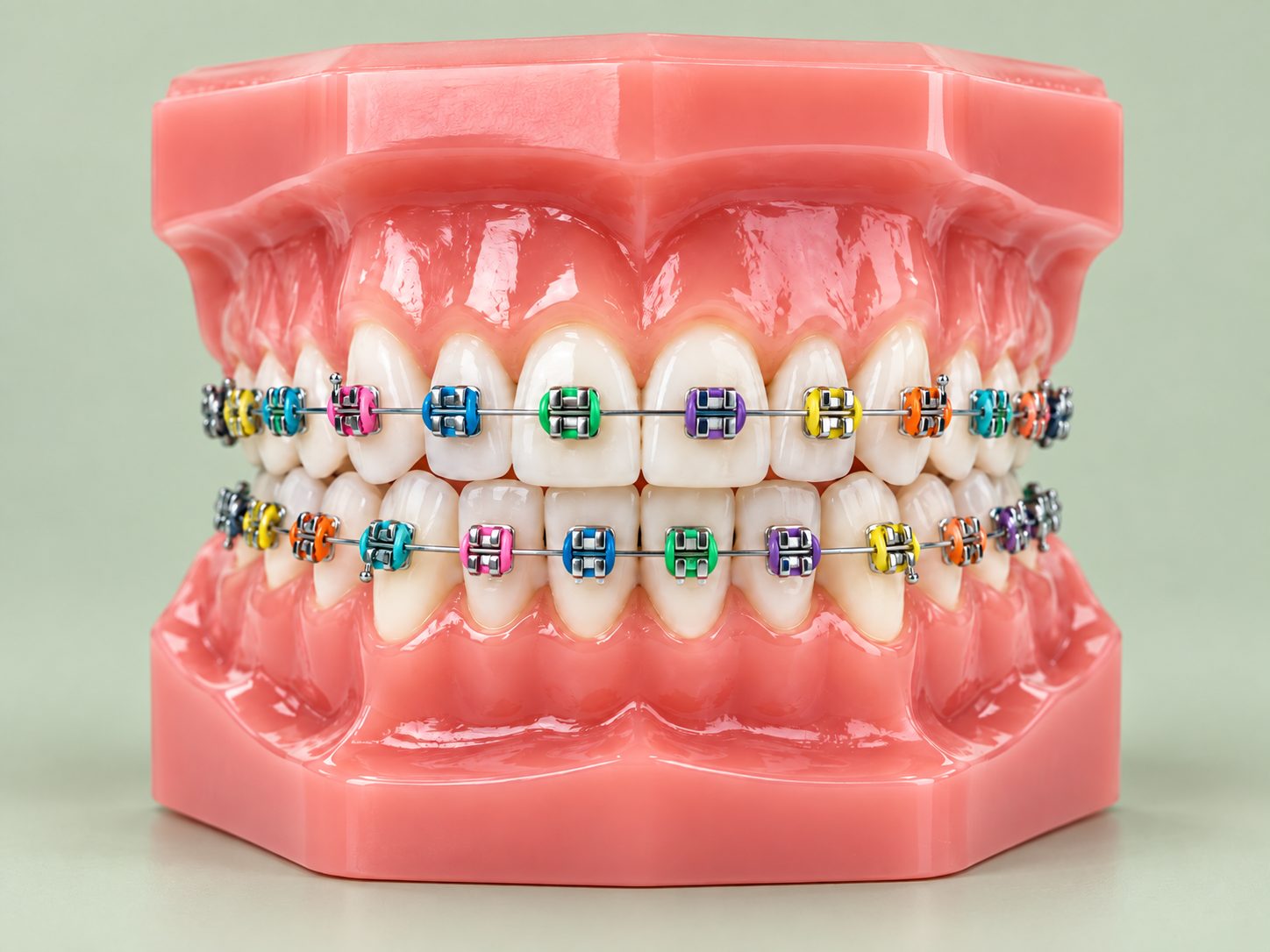
Braces use brackets attached to the teeth and an archwire that connects them. The wire places gentle, controlled pressure on the teeth. As the teeth respond, the supporting bone changes around them and the teeth gradually move toward their planned positions.
Different wire shapes, bracket positions, elastic chains, springs, or rubber bands may be used at different stages. Each has a specific job, such as creating or closing space, correcting rotations, coordinating the arches, or improving the bite. Treatment is monitored and adjusted over time rather than completed in a single step.
What can braces treat?
Depending on the diagnosis, braces may be used to address:
- Crowded, overlapping, or rotated teeth
- Spaces between teeth
- Upper and lower teeth that do not meet in a balanced way
- Overbite, overjet, underbite, crossbite, or open bite
- Teeth that have erupted outside the expected position
- Space management for teeth that are blocked or impacted
- Tooth positions that contribute to uneven wear or make cleaning more difficult
- Alignment needed before restorative or other dental treatment
The visible alignment is only part of the diagnosis. Two people with similar-looking smiles may need different treatment because their bites, roots, bone support, growth patterns, or dental histories are different.
Why choose braces?
Braces can be an excellent choice for both straightforward and complex orthodontic problems. Their fixed design means there is no daily wear-time decision, and they allow precise control of many kinds of tooth movement.
Potential advantages include:
- Continuous treatment because the appliance remains attached to the teeth
- Detailed control of rotations, root positions, spaces, and bite relationships
- A broad range of applications for children, teens, and adults
- The ability to add elastics or other auxiliaries when the bite requires them
- Metal and tooth-colored options for different appearance preferences
Braces still require active participation. Keeping the teeth clean, protecting the appliance, wearing elastics when prescribed, and attending scheduled visits all help treatment stay on course.
Metal braces or clear ceramic braces?
Both metal and clear ceramic braces use brackets and wires to move the teeth. The best option depends on the movements required, appearance preferences, the location of the brackets, and practical considerations such as care and durability.
| Option | Potential advantages | Important considerations |
|---|---|---|
| Metal braces | Strong, compact, and reliable. Colored elastics can be added when desired. | More noticeable than tooth-colored brackets and require the same careful cleaning and food precautions as any fixed appliance. |
| Clear ceramic braces | Tooth-colored brackets create a more subtle appearance, especially from a conversational distance. | Not invisible and may require additional care. They may not be recommended for every tooth position, bite, or treatment plan. |
- Metal braces
- Potential advantages: Strong, compact, and reliable. Colored elastics can be added when desired.
- Important considerations: More noticeable than tooth-colored brackets and require the same careful cleaning and food precautions as any fixed appliance.
- Clear ceramic braces
- Potential advantages: Tooth-colored brackets create a more subtle appearance, especially from a conversational distance.
- Important considerations: Not invisible and may require additional care. They may not be recommended for every tooth position, bite, or treatment plan.
During the consultation, we can show you the available bracket options and explain whether more than one approach can meet your treatment goals.
Braces or clear aligners: which is right for me?
Braces and clear aligners can both move teeth, but they manage treatment differently. Braces stay attached and work continuously. Aligners are removable and must be worn consistently as directed, typically about 20 to 22 hours a day. The appropriate choice depends on the diagnosis, movements needed, lifestyle preferences, and the patient's ability to manage the appliance.
Neither option is automatically better for everyone. Dr. Sharp will explain which treatments can address your goals, what each choice would require, and whether auxiliaries such as elastics may still be needed. See Invisalign.
What happens when braces are placed?
At the bonding appointment, which takes about 90 minutes, the teeth are cleaned and prepared so the brackets can be attached in precise positions. The archwire is placed and secured to the brackets. The team will explain what is happening as treatment begins.
It is common to notice pressure or tenderness for a few days after braces are placed and sometimes after adjustments. The lips and cheeks may also need time to adapt to the new surfaces. This discomfort is usually temporary. Let us know if something feels sharp, unusually painful, or does not begin to improve.
What happens at adjustment visits?
Periodic appointments, typically about every 8 weeks, allow us to evaluate tooth movement, the bite, oral health, and the condition of the appliance. Depending on the stage of treatment, we may replace or adjust the wire, change elastics, reposition a bracket, add an auxiliary, or simply monitor progress.
Visit timing is individualized. Keeping appointments helps us respond to changes at the right time and identify broken or loose components before they delay treatment.
How long will I need braces?
Most patients at Sharp Smiles Orthodontics wear braces for about 12 to 24 months A limited alignment concern may take less time than a complex bite correction, impacted tooth, significant spacing problem, or skeletal discrepancy.
Treatment time also depends on the amount and type of movement required, growth when relevant, and how the teeth respond biologically. Broken appliances, missed visits, oral-health concerns, and inconsistent elastic wear can also affect the schedule. After a complete evaluation and diagnostic records, we can provide an individualized estimate and explain which factors are most likely to influence it.
How much do braces cost in Broomfield?
At Sharp Smiles Orthodontics, braces typically range from $3,500 to $7,000, depending on the complexity of the case, bracket type, and length of treatment. We provide a written fee estimate after your consultation and diagnosis.
- Payment options: low down payments, monthly payment plans and third-party financing available.
- Dental insurance: many dental plans include an orthodontic benefit, often with a lifetime maximum. We will verify your benefits for you.
- HSA and FSA: accepted.
Eating with braces
Braces do not require giving up enjoyable food, but they do require a few practical changes. Hard, sticky, chewy, or very crunchy foods can bend wires or loosen brackets. Food can also become trapped around the appliance, so thoughtful choices make cleaning easier.
Helpful habits include:
- Cut firm foods such as apples, carrots, and crusty bread into small, bite-size pieces
- Avoid chewing ice, hard candy, popcorn kernels, and other foods that can damage the appliance
- Avoid sticky foods that pull on brackets and wires
- Take corn off the cob and meat off the bone before eating
- Limit frequent sugary or acidic drinks that increase the challenge of protecting enamel
- Check the appliance after meals and clean away trapped food
If you are unsure about a favorite food, ask us. We would rather help you find a braces-friendly way to enjoy it than leave you guessing.
Questions about your own treatment plan?
Keeping teeth clean during treatment
Brackets and wires create extra places for plaque and food to collect. Thorough cleaning helps protect the enamel and gums while the teeth are moving.
A strong home-care routine includes:
- Brushing carefully around every bracket, along the gumline, and on all tooth surfaces
- Cleaning between the teeth each day with floss and an appropriate threading or interdental aid
- Using an interproximal brush to reach around brackets and beneath the wire
- Following any fluoride recommendations provided by the dental or orthodontic team
- Continuing regular examinations and professional cleanings with the general dentist
Chalky white marks can develop when plaque remains around brackets and minerals are lost from the enamel. The braces themselves do not create these spots; the risk comes from plaque accumulation and frequent exposure to sugar or acid. We monitor oral hygiene and will help refine the routine if certain areas are being missed.
Can I play sports with braces?
Yes. Most patients can continue participating in sports during treatment. For contact or collision activities, a properly fitted orthodontic mouthguard can help protect the teeth, lips, cheeks, and appliance. Because the teeth are moving, the mouthguard should have room to accommodate changes and may need replacement during treatment.
If the mouth is hit, contact us if a bracket or wire is damaged and contact a dentist promptly if a tooth is loose, displaced, fractured, or painful. Seek urgent medical care for serious facial injury, heavy bleeding, breathing difficulty, or other signs of an emergency.
Can I play a musical instrument with braces?
Most patients can continue playing wind or brass instruments with braces. The lips and embouchure may need a short adjustment period after placement or an appliance change. Tell us if music or performance is an important part of daily life so we can discuss comfort strategies and timing.
What if a bracket or wire breaks?
Call us at (720) 712-9444 as soon as you notice a loose bracket or displaced wire, and let us know whether anything is sharp or painful. We will tell you whether the issue can wait until the next scheduled visit or needs an earlier repair.
Orthodontic wax may temporarily cover an irritating area. Do not cut or remove part of the appliance unless the orthodontic team specifically instructs you to do so. If there has been significant trauma, severe pain, swelling, uncontrolled bleeding, or difficulty breathing, seek appropriate urgent dental or medical care.
Elastics and other parts of treatment
Some treatment plans use removable rubber bands, often called elastics, to add a specific direction of force between the upper and lower teeth. Elastics only work when they are worn as prescribed. Wearing them differently or doubling them does not safely speed treatment and can move teeth in an unintended way.
Other plans may include springs, bite ramps, expanders, temporary anchorage devices, or coordination with another dental specialist. If an additional appliance or procedure is recommended, we explain its purpose, alternatives when available, and how it fits into the overall plan.
Can adults wear braces?
Yes. Healthy teeth can be moved at many ages, and braces may be appropriate for adults with crowding, spacing, bite concerns, or tooth-position needs related to restorative care. Adult treatment is planned with careful attention to gum and bone health, existing crowns or bridges, missing teeth, wear, and previous dental work.
Some adults choose clear ceramic brackets for a more subtle appearance, while others prefer the durability and compact design of metal braces. The right choice depends on both the treatment goals and personal priorities. See adult orthodontics.
Braces for children and teens
For younger patients, timing depends on tooth eruption, bite development, and growth rather than a birthday alone. The American Association of Orthodontists recommends a first orthodontic evaluation by age 7. Some children benefit from early treatment for a specific developing problem, while others are best monitored until more permanent teeth have erupted.
The teen years are a common time for comprehensive braces because most permanent teeth are present and some growth may remain. We include both the parent and the teen in the conversation so everyone understands the plan, responsibilities, and choices. See teen orthodontics and early orthodontic treatment.
What happens after braces come off?
When active treatment is complete, retainers help protect the result while the teeth and supporting tissues adapt. Teeth can continue to shift throughout life, so retainer wear is an important long-term part of orthodontic care rather than a short final step.
We will explain the retainer type, wear schedule, cleaning, storage, and when to contact us. A retainer that feels tight, is damaged, or no longer fits should be evaluated rather than forced into place.

What happens at a braces consultation?
A consultation at Sharp Smiles takes about 60 minutes and begins with listening to your concerns, goals, and dental history. Dr. Sharp then evaluates the teeth, bite, supporting bone and gum health, and facial balance. At your consultation, we typically take facial and smile photographs, a 3D digital scan of your teeth with an iTero scanner, and 3D imaging to evaluate the teeth, roots, and jaws in detail.
We then discuss what we see, whether braces are recommended, the type of bracket that fits your goals, the expected timeline and cost, and answer your questions. You do not need to know which type of braces you want before the visit.
Serving Broomfield, Westminster and nearby communities
Sharp Smiles Orthodontics welcomes patients of all ages from Broomfield and nearby communities, including Thornton, Superior, Louisville, Lafayette, Erie, Arvada.
We don’t just tell you what we recommend. We help you understand why.
Looking for something else?
Questions
Before you book
Do braces hurt?
Most patients feel mild to moderate soreness for a few days after braces are placed or adjusted. Soft foods, orthodontic wax over any brackets that feel irritating, and an over-the-counter pain reliever used as directed can help during this adjustment period.
How often are adjustment visits?
Most patients are seen about every 6 to 8 weeks, depending on the stage of treatment.
Can I choose tooth-colored brackets?
Yes. Clear ceramic braces are available for patients who prefer a more subtle appearance.
What if I need braces again after having them as a teenager?
Teeth can shift over time, especially without consistent retainer wear. If this happens, we start with a full re-evaluation of your teeth, bite, and retainer habits, and re-treatment is often more limited and shorter than your original treatment, since we're usually correcting a smaller amount of relapse rather than starting over.
Do you offer Invisalign instead of braces?
Yes. See Invisalign.
Do you treat both children and adults?
Yes. Sharp Smiles treats children, teens, and adults. See teen orthodontics and adult orthodontics.
Schedule an evaluation
Schedule a braces consultation in Broomfield
If you are considering braces for yourself or your child, a consultation is the place to begin. Dr. Sharp will evaluate the teeth and bite, review relevant health and dental history, discuss your goals, and explain which treatment options may be appropriate.
Schedule a braces consultation with Dr. Irina Sharp at Sharp Smiles Orthodontics in Broomfield, Colorado.
No referral needed. You can schedule an evaluation directly.
1275 E. 1st Ave, Unit ABroomfield, CO 80020
Opening November 2, 2026
Open in maps